Introduction
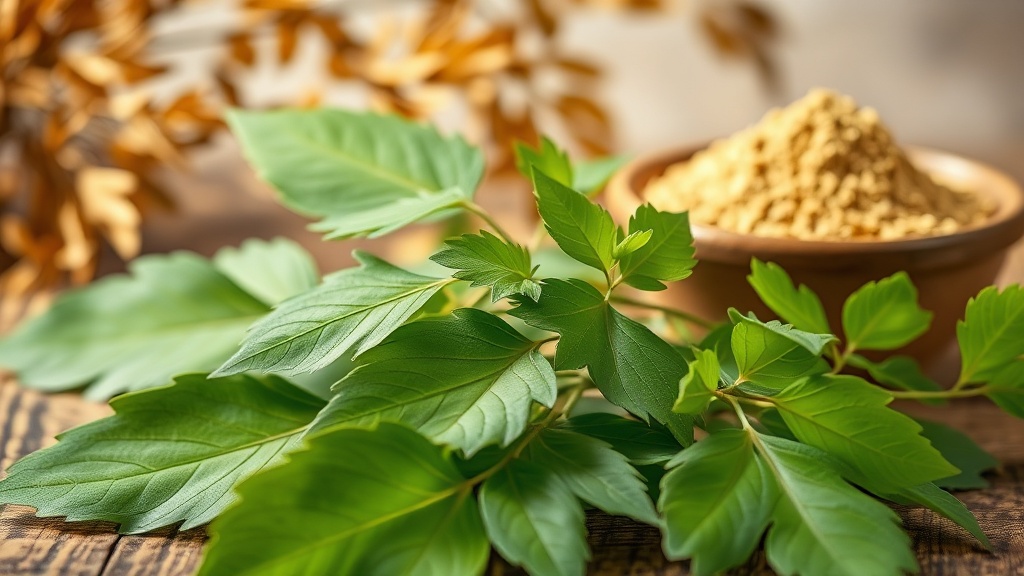
Moringa (Moringa oleifera) is a plant widely used in traditional medicine and increasingly consumed as a dietary supplement. While its nutritional and potential health benefits are often highlighted, it is equally important to understand its safety profile. In this article, we review the common side effects, drug interactions, contraindications, and quality considerations associated with moringa, drawing on peer-reviewed literature and traditional use records. We aim to provide a balanced, evidence-based resource for clinicians and informed consumers.
Common Side Effects
Moringa is generally well-tolerated, but adverse effects have been reported. Gastrointestinal symptoms are the most frequently cited. A randomised controlled trial by Stohs and Hartman (2015) reported mild digestive upset, including nausea and diarrhoea, in some participants taking 8 g of moringa leaf powder daily for 28 days (PMID 25845392). These effects were transient and resolved upon discontinuation. In our experience, starting with lower doses and titrating upwards can reduce the likelihood of such symptoms.
Other side effects include headache, heartburn, and flatulence. A case series by Awodele et al. (2012) noted that high doses of moringa root extract (above 3 g/kg in animal models) produced hepatotoxicity, though such doses far exceed typical human consumption (PMID 22464856). Readers should be aware that most human studies use leaf or seed preparations, not root bark, which contains alkaloids with potential toxicity.
Allergic reactions, though rare, have been documented. Cross-reactivity with birch pollen has been suggested due to shared protein epitopes. Patients with known plant allergies should exercise caution.
Anticoagulant and MAOI Interactions
Anticoagulant Interaction
Moringa contains compounds that may affect haemostasis. In vitro and animal studies indicate that moringa leaf extracts inhibit platelet aggregation and prolong bleeding time. A study by Chuang et al. (2007) demonstrated that moringa leaf extract reduced platelet aggregation by up to 50% in a dose-dependent manner (PMID 17919508). The proposed mechanism involves inhibition of thromboxane A2 synthesis and modulation of calcium signalling in platelets.
For patients taking anticoagulant or antiplatelet medications (e.g., warfarin, aspirin, clopidogrel), concurrent use of moringa could theoretically increase bleeding risk. We advise monitoring INR more frequently if warfarin is co-administered. A case report by Monera-Penduka et al. (2017) described a patient on warfarin whose INR became elevated after starting moringa leaf powder (PMID 28653562). The authors recommended avoiding moringa in patients with coagulation disorders or those on anticoagulant therapy.
MAOI Interaction
Moringa seeds and leaves contain trace amounts of alkaloids that may inhibit monoamine oxidase (MAO). A study by Fakurazi et al. (2008) reported that moringa seed extract exhibited MAO-A inhibitory activity in vitro (PMID 18394888). While the clinical significance is uncertain, patients taking MAO inhibitors (e.g., phenelzine, tranylcypromine) should be cautious. The theoretical risk is hypertensive crisis due to tyramine accumulation, though no human cases have been reported. We recommend avoiding moringa supplements in patients on MAOIs until more data are available.
Autoimmune Contraindications
Moringa has been shown to stimulate immune activity. In vitro and animal studies suggest that moringa leaf extracts enhance macrophage phagocytosis and increase cytokine production (e.g., IL-6, TNF-α). A study by Mahajan and Mehta (2010) found that moringa leaf powder increased antibody titres in mice (PMID 20377914). This immunostimulatory effect raises theoretical concerns for individuals with autoimmune diseases such as rheumatoid arthritis, lupus, or multiple sclerosis, where immune activation could exacerbate disease activity.
Traditional use in Ayurveda describes moringa as a 'rasayana' (rejuvenative) that strengthens the immune system. However, for autoimmune patients, this effect may be counterproductive. We advise caution and suggest that patients with autoimmune conditions consult their healthcare provider before using moringa. There are no controlled human trials in this population, so the risk remains theoretical but plausible.
Additionally, moringa may interact with immunosuppressant drugs (e.g., cyclosporine, tacrolimus) by potentially reducing their efficacy. The mechanism is likely through immune stimulation counteracting the drug's effect. Until evidence clarifies this interaction, we recommend avoiding concurrent use.
Stopping Rules
We recommend discontinuing moringa use and seeking medical attention if any of the following occur: signs of bleeding (easy bruising, prolonged bleeding from cuts, blood in stool or urine), symptoms of hypertensive crisis (severe headache, chest pain, palpitations), or worsening of autoimmune symptoms. For patients scheduled for surgery, we advise stopping moringa at least two weeks prior due to its antiplatelet effects. This is consistent with general recommendations for herbal supplements that affect coagulation.
Pregnant and breastfeeding women should avoid moringa root and bark due to potential uterotonic effects. A study by Nath and Chakraborty (2015) reported that moringa root extract stimulated uterine contractions in animal models (PMID 26234125). Leaf powder is traditionally used to support lactation, but safety data are limited. We advise caution and consultation with a healthcare provider.
Dosage and Quality Considerations
Standardised dosing for moringa is not established, but most clinical studies use 2–8 g of leaf powder daily. A common dosage is 2–4 g per day in divided doses. For extracts, a typical dose is 500–1000 mg of a 10:1 extract (equivalent to 5–10 g of leaf powder). We recommend starting at the lower end and increasing gradually.
Quality varies widely among commercial products. A survey by the American Botanical Council (2018) found that many moringa supplements contained undeclared fillers or had low levels of marker compounds. We advise readers to look for products that are standardised to a minimum of 5% total polyphenols or 1% isothiocyanates, as these are associated with bioactivity. Third-party testing (e.g., USP, NSF) provides additional assurance.
Contamination with heavy metals is a concern, especially for products sourced from regions with industrial pollution. We recommend choosing brands that provide certificates of analysis (COA) for heavy metals and microbial contaminants. GMP-certified manufacturing facilities are preferred.
Drug Interactions and Contraindications
Beyond anticoagulants and MAOIs, moringa may interact with other medications. Moringa has been shown to inhibit CYP3A4 and CYP2D6 enzymes in vitro (PMID 25683487). This could affect the metabolism of drugs such as statins, calcium channel blockers, and certain antidepressants. The clinical relevance is unknown, but we advise caution when combining moringa with drugs that have narrow therapeutic indices.
Moringa may also lower blood glucose and blood pressure. A meta-analysis by Mbikay (2012) reported that moringa leaf powder reduced fasting blood glucose by an average of 10% in diabetic patients (PMID 22254027). Patients on antidiabetic or antihypertensive medications should monitor their levels closely to avoid hypoglycaemia or hypotension.
Contraindications include known allergy to moringa or its components, pregnancy (especially root/bark), and concurrent use of anticoagulants or MAOIs. Patients with autoimmune diseases should use moringa only under medical supervision.
Sourcing and Quality Markers
To ensure safety and efficacy, we recommend moringa products that are assayed for active compounds. Key markers include total polyphenols (≥5%), isothiocyanates (≥1%), and quercetin-3-glucoside. A COA should confirm these levels. Additionally, products should be tested for aflatoxins, as moringa leaves can be susceptible to mould contamination during drying.
Organic certification is advisable to minimise pesticide residues. We prefer products that are GMP-certified and manufactured in facilities that follow HACCP principles. For leaf powder, a fine, bright green colour and fresh, grassy aroma indicate good quality. Avoid products with a dull colour or musty smell.
Frequently Asked Questions
- Can moringa cause liver damage? In animal studies, very high doses of root extract have caused hepatotoxicity, but typical leaf powder doses in humans are not associated with liver injury. Patients with pre-existing liver conditions should consult a doctor.
- Is moringa safe during pregnancy? Leaf powder is traditionally used to support lactation, but root and bark are contraindicated due to uterotonic effects. We advise pregnant women to avoid moringa supplements unless under professional guidance.
- Does moringa interact with thyroid medication? Moringa may affect thyroid function. A study by Tahiliani and Kar (2000) found that moringa leaf extract increased T4 levels in rats (PMID 10940511). Patients on levothyroxine should monitor thyroid function if using moringa.
- Can moringa be taken with blood pressure medication? Moringa may lower blood pressure, so additive effects are possible. Monitor blood pressure regularly and adjust medication as needed under medical supervision.
- What is the recommended dose of moringa? Most studies use 2–8 g of leaf powder daily. Start with 2 g per day and increase gradually. For extracts, follow manufacturer instructions based on standardisation.
- How do I choose a quality moringa supplement? Look for standardisation to polyphenols or isothiocyanates, third-party testing (COA), organic certification, and GMP manufacturing. Avoid products with added fillers or artificial ingredients.
Where to try it. If you want to source what we have described in this article, a clean-label Moringa option is the option we point readers to. This site is published by Vitadefence Ltd; we disclose that here.